# Peptide Purity Testing Cost: What You Actually Pay For
Independent peptide purity testing is priced per method and per sample. The confusion in the market comes from labs quoting a "purity test" without saying which method, which impurity table, and which contaminants are included. This is a breakdown of what you are actually buying at each price tier.
What drives the cost
Three things: instrument time, standards and consumables, and analyst review time.
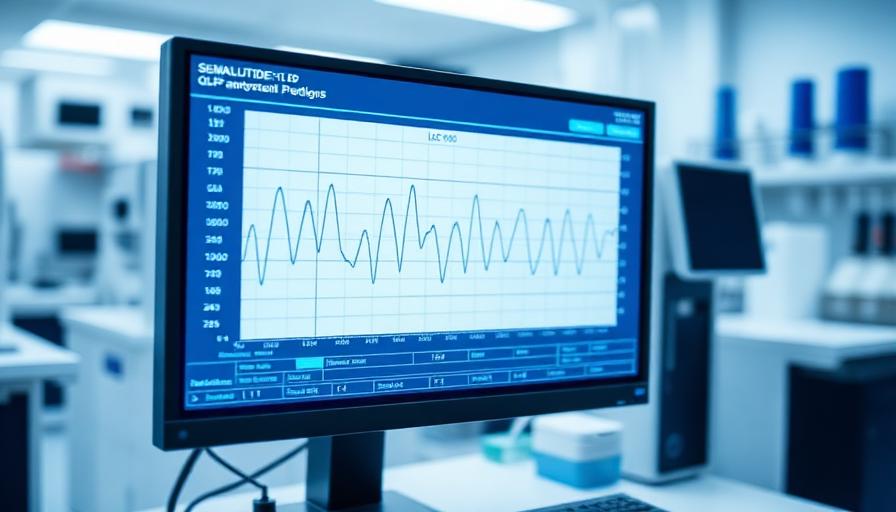
- HPLC purity: roughly 30-60 minutes of instrument time per injection, plus method equilibration. Consumables are modest (column life, mobile phase, vials).
- LC-MS identity: high-cost instrument, expensive column, mass calibration standards. Analyst review is longer because the deconvoluted spectrum needs interpretation.
- ICP-MS heavy metals: expensive instrument, argon consumption, high-purity acid digestion, calibration standards for each element.
- GC-MS residual solvents: separate instrument and headspace autosampler.
- LAL endotoxin: dedicated water and glassware, kinetic reader time, reference standard endotoxin.
- Karl Fischer water: fast, cheap, but adds analyst handling.
Typical tiers
HPLC-only purity screen. The cheapest useful test. You get a purity number, a chromatogram, and a related substances table. No identity confirmation, no contaminant data. Best for early screening or comparing two lots of the same peptide from the same supplier.
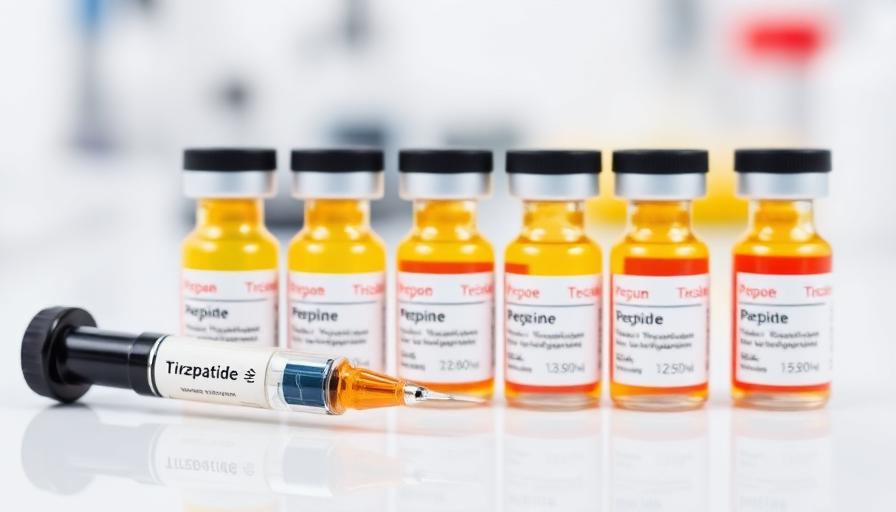
HPLC + LC-MS identity. Adds molecular weight confirmation. This is the minimum defensible package for supplier verification. Confirms the vial contains the peptide the label claims.
Full compliance panel. HPLC purity, LC-MS identity, ICP-MS heavy metals, residual solvents, LAL endotoxins, water content. This is what compounding pharmacies and clinical research programs pay for. Cost is meaningfully higher, but this is a single release-ready package.
Why per-sample cost drops with volume
Instrument setup, method equilibration, and standard preparation are amortized across the batch. A single peptide sample carries the full setup cost. Ten peptide samples in the same submission share that setup, so the per-sample number goes down. Compounding pharmacies running monthly quality lots and research programs testing multi-batch stability studies see the largest savings.